Shield Method Explores Self-Control Beyond Weight Management
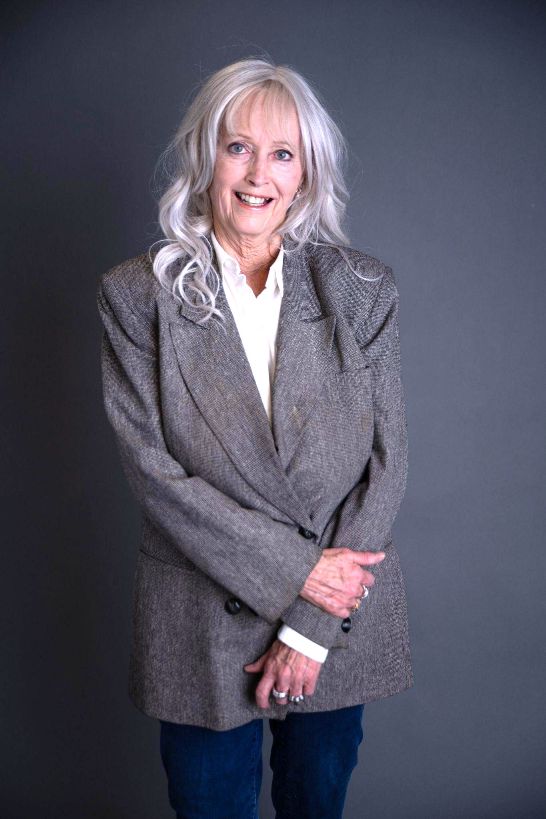
Shield Method was developed around food control, but experiences from early participants suggested that its underlying approach might extend beyond eating behavior. Dr. Deborah Hill did not originally create the program as a treatment for alcohol use, smoking, or other compulsive behaviors. Yet some participants reported changes in those areas without receiving specific instructions to make them.
One of the most notable observations came from a major test group. According to the source material, 55.17% of participants reduced their alcohol consumption by at least 75%, despite the program not specifically teaching them how to reduce drinking. Several participants also reported quitting smoking.
Hill’s observations did not stop there. One man reportedly approached her after a session and described using the same mental Shield techniques to address a longstanding sexual behavior problem. He said the issue had persisted despite years of therapy, while the Shield approach produced an almost immediate change.
These experiences led Hill to consider whether the method’s central principle involves a broader form of self-command rather than food alone. Her explanation is that once people learn to access a powerful form of comfortable mental control, that capability may influence other areas of behavior as well.
The distinction is important because the original focus remained weight management. Hill did not initially market the Shield Method as an alcohol or smoking intervention. Instead, the additional behavioral changes emerged as observations among participants.
The reported results encouraged further investigation. The source material states that Hill began formally researching additional applications, including versions intended specifically for smoking cessation and alcohol moderation.
The broader philosophy behind Deborah Hill, D.C. is therefore connected to personal control. Her career began with chiropractic care and Myoprobe Therapy®, but her later work explored how mind-body techniques could potentially influence behavior as well as physical symptoms.
Participant feedback reinforces this theme. Kathy R. expressed appreciation for what she called the “gift of control,” while Joyce W. described replacing repeated failures with successful experiences that supported a healthier self-image. Whether applied to eating or investigated for other behaviors, the central concept remains the same: Hill’s work focuses on helping people develop a more comfortable form of self-control rather than relying entirely on prolonged struggle or external intervention.